

Massive Outbreak of Sea Star Wasting Syndrome
Sea Star Wasting Syndrome began along the Pacific Coast of North America, causing mass mortality in over 20 sea star species.
Join us in celebrating World Sea Star Day to appreciate the beauty and ecological importance of these beautiful star-shaped creatures.
World Sea Star Day is observed on November 17 to appreciate sea stars, highlight their role in marine ecosystems, and promote conservation efforts. Often called “starfish”, sea stars are not fish, but echinoderms, a group of marine invertebrates found in oceans worldwide. As predators and scavengers, many sea stars help maintain balance in coastal and reef environments. In recent years, some sea star populations have declined due to warming oceans and disease. World Sea Star Day is a moment to learn about sea stars and share information about how to protect the habitats they depend on.
Sea stars have existed for roughly 450 to 480 million years, but in the last decade, they have experienced a population collapse that has made them a modern conservation concern. Beginning in 2013, sea star wasting disease spread along the Pacific Coast of North America, causing severe die-offs across multiple species. In many cases, affected sea stars developed lesions, lost limbs, and rapidly deteriorated.
This crisis has raised concern because sea stars serve as key predators that help keep other species in balance. The sunflower sea star is a major example, preying on sea urchins in kelp forest environments. During the outbreak, sunflower sea stars suffered catastrophic declines across much of their range.
When sunflower sea stars disappear, the effects ripple outward. In parts of the West Coast, sea urchin populations have surged, overgrazing kelp, and contributing to “urchin barrens” where kelp habitat is greatly reduced. Kelp forests provide food and shelter for many marine species, so losing kelp can mean losing an entire ecosystem of ocean life.
As concern grew, the sunflower sea star was placed on the IUCN Red List as Critically Endangered in 2020. In the United States, federal attention increased as well, including a 2023 proposal to list the species under the Endangered Species Act. Recovery efforts have expanded alongside this attention, including restoration initiatives such as the Pacific Coast Ocean Restoration Initiative (PCOR), which supports research and projects aimed at rebuilding keystone species like the sunflower sea star.
World Sea Star Day builds on existing Sea Star Day observances tied to November 17, and expands them to reach a wider global audience. It was created to raise awareness of sea stars as both beautiful and ecologically critical, and to accelerate science-based conservation and habitat protection through public education and engagement.
TIMELINE
GET INVOLVED
EDITOR'S PICK
VISIT
PARTICIPATE
REDUCE
EDUCATE
WHY THIS DAY MATTERS
Sea stars are unlike most marine life. They move using a water-powered system, can extend their stomachs to digest prey outside their bodies, and many species can regrow lost arms.
Sea stars help control sea urchin populations. When sea stars decline, urchins can multiply and eat too much kelp, damaging kelp forests that many marine animals rely on. Kelp forests also absorb carbon dioxide, so protecting them supports healthier oceans.
Sea stars are sensitive to changes in water temperature, oxygen levels, and disease. When sea star populations crash, it often signals broader ecosystem stress that can affect many other species. Paying attention to sea stars helps scientists and communities spot problems early and protect coastal habitats.
There is no difference between the two. The term ‘sea star’ is more appropriate and is preferred by scientists because these creatures are not fish but marine invertebrates. They lack gills, scales, and fins.
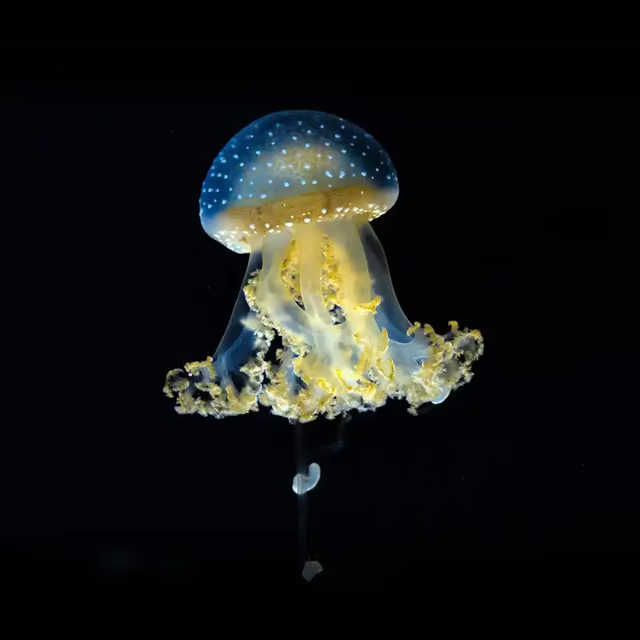
Join the fun and discover how fascinating jellyfish are on Jellyfish Day! Get ready for a day of learning, smiles, and joy.
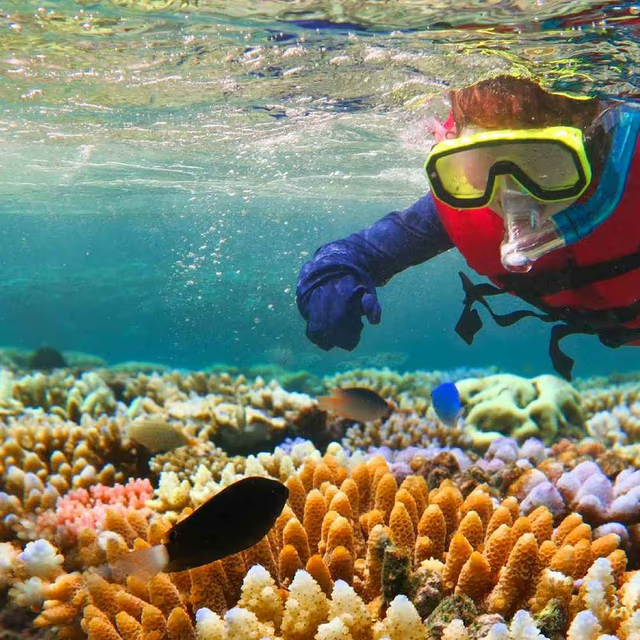
Join us for World Reef Awareness Day and help preserve the world’s coral reefs - our ocean needs us!
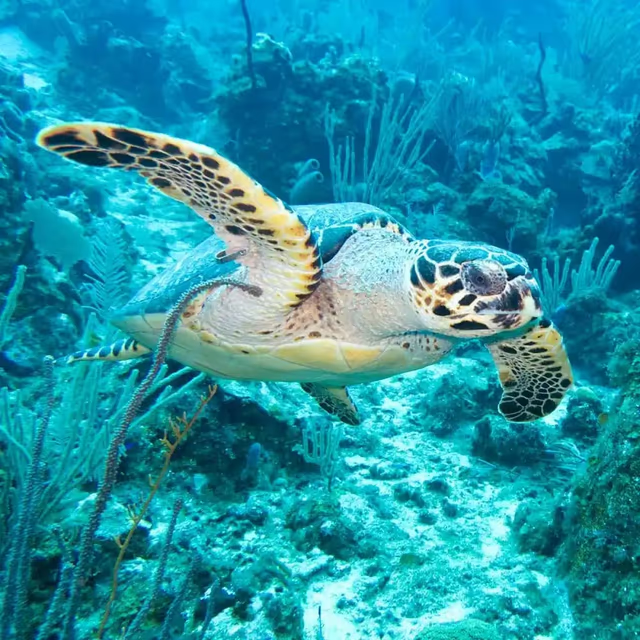
Join us in celebrating World Sea Turtle Day and learn how you can help protect these majestic creatures!