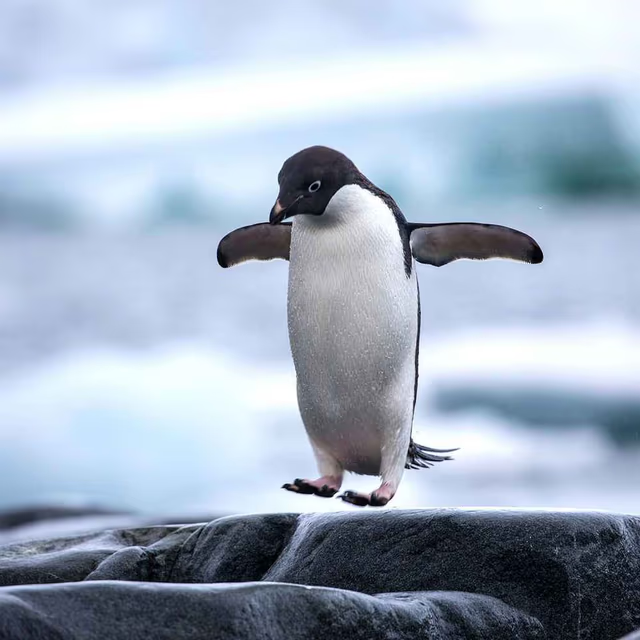

World Penguin Day is tied to the Adélie penguin's annual northward migration, which United States researchers at McMurdo Station in Antarctica recorded leaving their colony around April 25 in successive years. No primary record names a single founder or a formal act that established the observance.
CHAPTER 01
From a field note to a global cause
No proclamation, law, or named founder turned that field note into World Penguin Day. The day grew the way many animal-awareness dates do, by repetition and adoption, until conservation groups, zoos, and aquariums settled on April 25 as the moment to talk about penguins. The honest record stops there: the migration framing is well attested, but the holiday's precise authorship is undocumented.
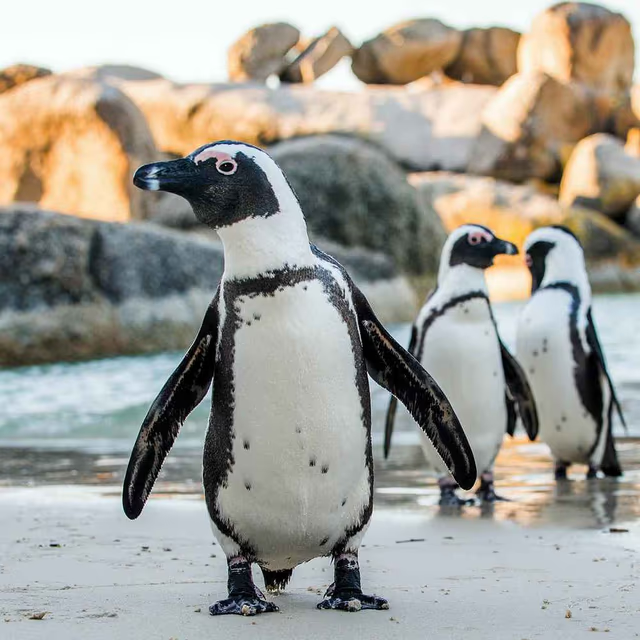
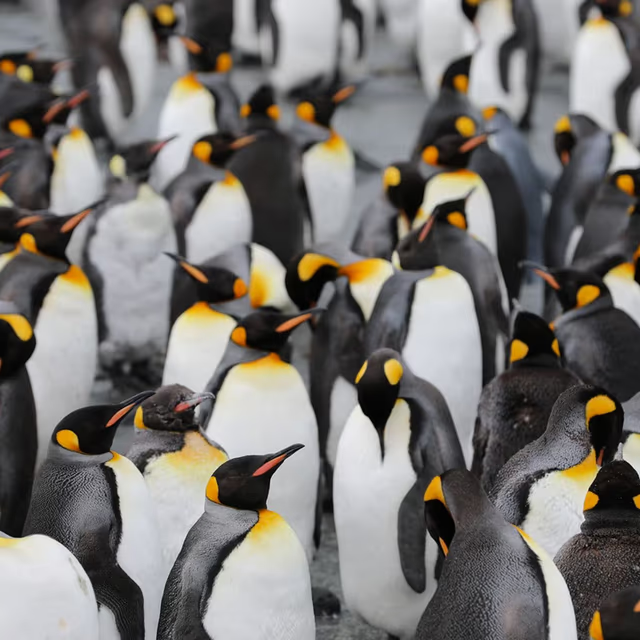
What gives the day its weight is what has happened to penguins since. They live almost entirely in the Southern Hemisphere, from Antarctic pack ice to the temperate coasts of South Africa, New Zealand, and South America. Only one species, the Galápagos penguin, reaches the equator.