March 19
Eid al-Fitr
A religious observance marking the end of Ramadan fasting, expressing joy, gratitude to Allah, and community celebration with prayers, feasting, and giving.
Prophet Muhammad
Religious Origin
Eid al-Fitr was instituted by Prophet Muhammad in Medina in 624 CE, following the first observance of Ramadan fasting. Upon arriving in Medina, he replaced two pre-Islamic festive days with Eid al-Fitr and Eid al-Adha as God-appointed Islamic festivals of celebration.
Introduction
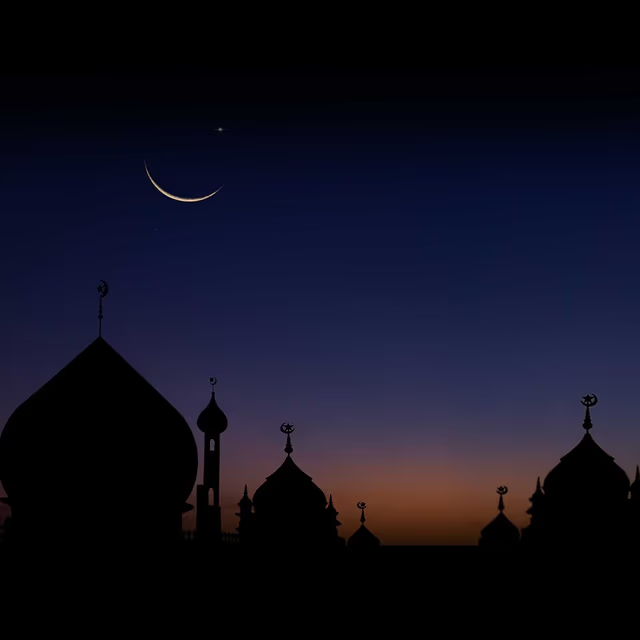
Get ready for an exciting global celebration that brings millions together in a festival of love and unity. On April 10, we joyfully embrace Eid al-Fitr! Dating back over 1400 years, this remarkable holiday marks the end of Ramadan, a month of fasting and prayer observed by Muslims worldwide. As the new moon appears, it heralds the arrival of Eid al-Fitr, a festive day filled with feasts, gifts and a strong sense of community. This day represents the victory of spirit over the flesh, and teaches us the valuable lesson of patience, self-discipline, and unbreakable faith. So, get set to feel the extraordinary spirit of this joyous occasion!
Eid al-Fitr Timeline
How to Celebrate Eid al-Fitr
1
Decorate your living space
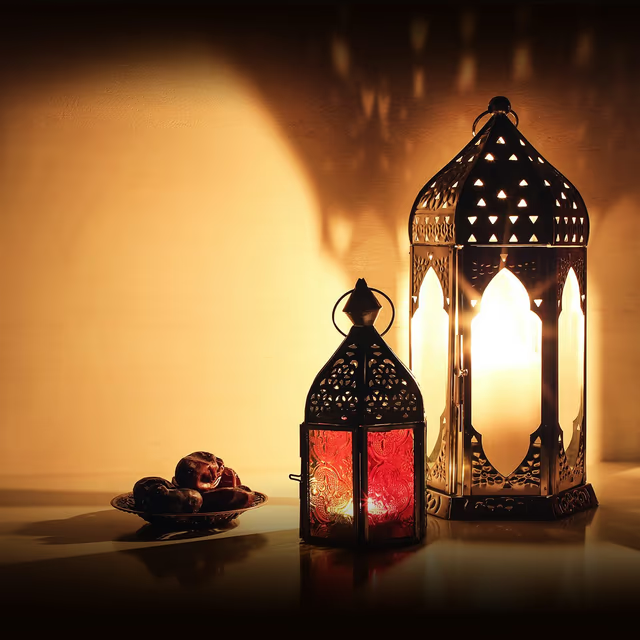
Start the celebrations by decorating your home with Eid-themed decorations. Use balloons, streamers, lanterns, and banners to bring the festive spirit into your living space. Don't forget to intertwine other symbols of Eid like the new moon and stars.
2
Prepare traditional food
Cooking and eating traditional foods is a must during Eid. Some staples are dates, biryani, kebabs, and sweet treats like baklava and sheer kurma. Share these feasts with family, friends, and neighbors to foster a sense of community.
3
Give to charity
Eid is a time of giving and goodwill. Donate to charities that support causes you feel passionately about. It's also traditional to provide food or money to the less fortunate before the end of the prayer service.
4
Attend a local Eid fair or festival
Many cities around the world host Eid fairs and festivals. It's a fun way to engage with your local community, enjoy performances, shop at stalls, and indulge in an array of delicious food.
5
Exchange gifts with loved ones
Exchanging gifts is a lovely tradition during Eid. Presents can be anything from clothes, books, toys, or even hand-written cards. It's a delightful way to show your appreciation and love for those around you.
Why Eid al-Fitr is Important
Symbol of Unity and Togetherness
Eid al-Fitr is a joyous occasion that brings people together across cultures and nations. It's a beautiful celebration of unity and community spirit, breaking down barriers and fostering mutual respect and understanding among diverse groups of people.
A Celebration of Faith, Patience, and Self-discipline
Eid Al-Fitr marks the end of Ramadan, making it an occasion to celebrate the completion of a month-long spiritual journey of fasting, prayer, and reflection. It serves as a reminder of patience, meditation, and self-discipline that Muslims worldwide have practiced throughout Ramadan.
Generosity and Charity
Eid al-Fitr exemplifies the spirit of giving and goodwill. It's a time when people give to charities and help those less fortunate, serving as a reminder to share blessings with others. This focus on charity and generosity adds more meaning and joy to the celebrations.
Holiday Dates
| Year | Date | Day |
|---|