Amazon didn't wait for a holiday. It made one.
Prime Day started in 2015 as a one-day sales event for members. By 2025, it had grown into a four-day phenomenon that generated $24.1 billion in sales. That's a 70% increase from the year before.
Amazon invented a holiday. And it now rivals Black Friday.
This isn't an anomaly. American Express created Small Business Saturday in 2010. Since then, consumers have reported spending $223 billion at small businesses on that single day each year. Star Wars fans turned a pun — "May the Fourth Be With You" — into a global celebration that Disney eventually adopted as an official event.
The Washington Post recently cataloged more than 5,700 national days in the United States alone. Most aren't federal holidays. They were created by brands, nonprofits, industry groups, and individuals who saw an opportunity.
That opportunity is still wide open.
This guide will walk you through every step of creating a holiday for your brand — from the initial idea to year-over-year growth. Whether you're a solopreneur, a social media manager, or part of a marketing team at a large company, the playbook is the same.
The barrier to entry is lower than you think. The upside compounds every single year.
Why Create a Holiday? The Business Case

Most marketing campaigns have an expiration date. You launch them, measure the results, and move on.
A branded holiday is different. It comes back.
Every year, your holiday earns fresh attention without a fresh budget. Journalists look for holiday hooks. Social media users search for "what holiday is today." Your brand gets discovered again and again.
Here's what a well-built holiday creates for your business:
Recurring visibility. A one-off campaign is a spark. A holiday is a pilot light. Each year it returns, your brand gets another cycle of attention. The effort compounds instead of evaporating.
Earned media. Reporters and content creators actively search for holiday stories. A registered, well-positioned holiday becomes a press opportunity that renews itself. You don't pitch once. You pitch every year, with a better track record each time.
Community. Holidays give people a reason to participate, not just observe. When customers share photos, use your hashtag, or host their own events, they're building your brand for you.
SEO and social advantages. "National [Your Topic] Day" is a search query that already has demand. A branded hashtag on a specific date creates a concentrated burst of social activity. Algorithms reward that kind of momentum.
Differentiation. Your competitors are running the same Black Friday promotions. They're posting the same Valentine's Day content. A holiday you own is a lane they can't occupy.
The question isn't whether this works. The case studies prove it does. The question is whether your brand has something worth celebrating.
The Anatomy of a Holiday That Sticks
Not every branded holiday catches on. Some get a polite mention on launch day and then vanish.
The ones that last share four traits.
1. Relevance
The holiday has to connect to something your audience already cares about. It should sit at the intersection of your brand's identity and your community's values.
National Donut Day works because people love donuts. It wasn't invented to sell more donuts. It was created by the Salvation Army in 1938 to honor volunteers. The commercial momentum came later, naturally.
If your holiday feels like an ad, people will treat it like one. They'll ignore it.
2. Participation
The best holidays give people something to do. Not something to watch. Not something to buy. Something to join.
Can your audience share a photo? Tell a story? Take a specific action? The easier it is to participate, the wider it spreads.
3. Shareability
Think about what the holiday looks like in a social media feed. Does it have a clear visual? A hashtag that's easy to type? A concept that makes sense in a single sentence?
"May the Fourth Be With You" works because it's clever, short, and immediately understood. It practically begs to be shared.
4. Consistency
You have to show up. Every year. A holiday that appears once and disappears isn't a holiday. It's a stunt.
The first year is a launch. The second year is proof of concept. The third year is when it starts to feel real. Commit to at least three years before judging whether it's working.
Step 1: Find Your Holiday Concept

Start with your values. Not your products.
This is where most brands go wrong. They jump straight to "National [Product Name] Day" and wonder why nobody cares.
Nobody wants to celebrate a product. People want to celebrate an idea, a community, a feeling, a moment that matters to them.
A pet food company shouldn't create "National Kibble Day." But "National Rescue Dog Day"? That's a holiday people would rally behind.
The Brainstorming Framework
Ask yourself three questions:
What does your brand stand for beyond what it sells? A fitness brand might stand for persistence. A coffee shop might stand for slowing down. A tech company might stand for curiosity. The holiday lives in that territory.
What does your audience wish existed? Talk to your customers. Browse your comments. Look at the conversations happening in your community. What do they celebrate informally that no one has formalized?
What gap exists on the calendar? This is where research matters. Browse Holiday Calendar to see what days already exist. Look for whitespace — topics, causes, or communities that don't yet have a dedicated day.
Good Concepts vs. Bad Concepts
| Weak | Strong |
| -------------------------- | -------------------------- |
| National Widget Day | National Maker Day |
| Our Brand Appreciation Day | National Side Hustle Day |
| Product Launch Anniversary | National Digital Detox Day |
The strong concepts share a pattern. They belong to a community, not a company. Your brand sponsors the holiday. It doesn't own the concept.
Step 2: Pick the Perfect Date
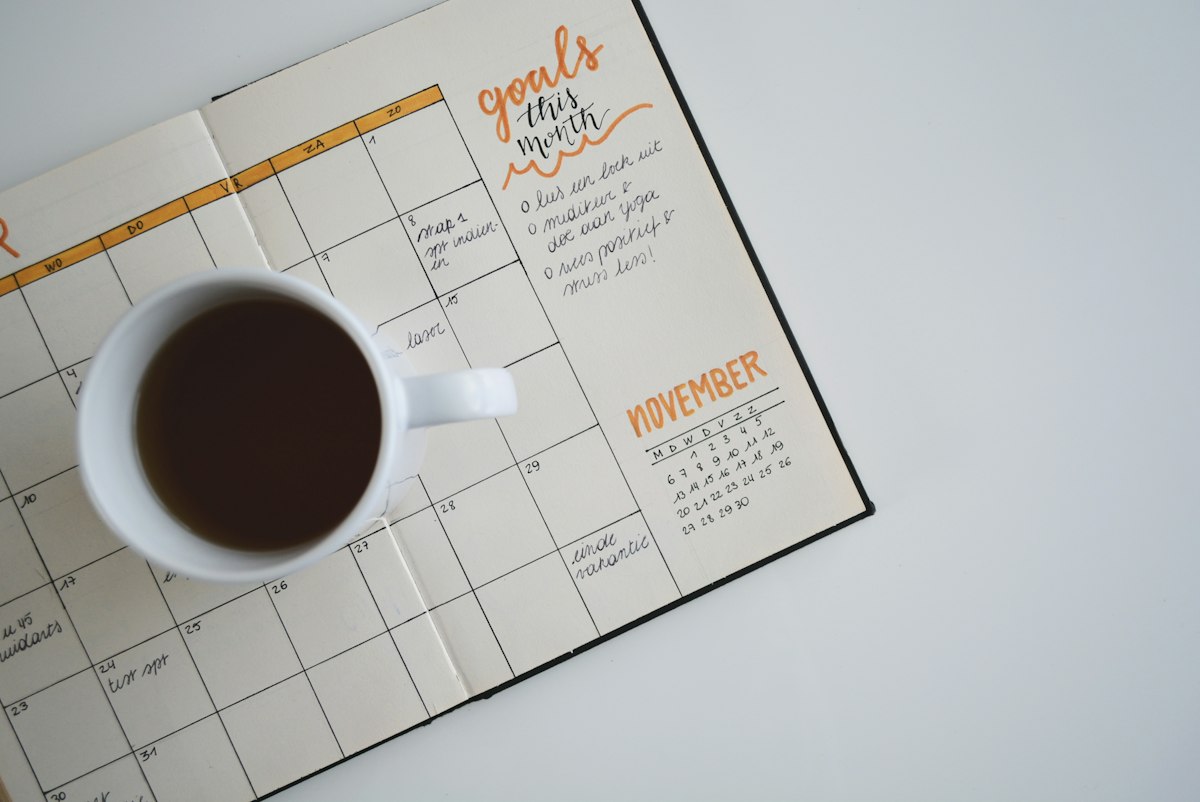
The date matters more than most people realize.
A great concept on a crowded date will get buried. A decent concept on the right date will have room to breathe.
What to consider:
Check for conflicts. Some dates are already packed with competing holidays and observances. Use Holiday Calendar to scan the calendar and see what's already claimed on any given day.
Align with your industry's rhythm. If you're in fitness, January makes sense — people are setting new goals. If you're in education, September works. Think about when your audience is most receptive to your message.
Pick the right day of the week. Weekdays tend to work better for B2B awareness days. Weekends work better for consumer participation events that ask people to go out, gather, or do something.
Use a repeatable pattern. "The first Friday in June" is easier to remember and promote than "June 7th." It also avoids the problem of your holiday landing on an awkward day (like a holiday falling on a Tuesday one year and a Saturday the next).
Think about adjacent moments. Launching your holiday near (but not on) a major event can help. A holiday about gratitude in the week before Thanksgiving rides the cultural momentum without competing directly.
A Word on Scarcity
Some months are packed. October has Halloween. November has Thanksgiving and Black Friday. December is wall-to-wall holidays.
February, March, and August tend to have more open space. That's not a rule — just a starting point for your research.
Step 3: Name and Brand Your Holiday
The name is the single most important decision you'll make.
A forgettable name means a forgettable holiday. A name that's too clever means nobody knows how to search for it.
Naming Formulas That Work
The most recognizable holidays follow simple patterns:
- National [Topic] Day — National Coffee Day, National Dog Day
- World [Topic] Day — World Mental Health Day, World Emoji Day
- International [Topic] Day — International Women's Day
- [Topic] Appreciation Day/Week/Month — Teacher Appreciation Week
"National" is the most common prefix in the U.S. and doesn't require government approval. Anyone can use it. That said, if your audience is global, "World" or "International" may be a better fit.
Keep It Short
Three to five words is the sweet spot. People need to be able to say it, type it, hashtag it, and remember it without looking it up.
"National Clean Your Desk Day" works. "National Reorganize Your Home Office And Workspace For Productivity Day" does not.
Create a Hashtag
Your hashtag should be:
- Unique — Search it on social media before committing. Make sure it's not already in use for something unrelated.
- Readable — Use capital letters for each word when you promote it (#NationalMakerDay, not #nationalmakerd).
- Inclusive — The hashtag should feel like it belongs to the community, not just your brand.
Visual Identity
Design a simple logo or badge for your holiday. It doesn't need to be elaborate. A clean mark that partners, media outlets, and participants can use gives the holiday a sense of legitimacy and consistency.
Step 4: Make It Official

Here's the truth about "official" holidays: there's no single authority that certifies them.
Federal holidays in the United States are created by Congress. There are only eleven. Your branded holiday won't be one of them. But that doesn't matter.
The holidays people actually celebrate on social media, in the press, and in their communities are overwhelmingly unofficial. And they feel perfectly real.
That said, registration gives your holiday credibility and discoverability. Here's where you can register:
The Major Registries
Holiday Calendar (holidaycalendar.io) — With over 80 million annual visitors, this is one of the largest platforms where journalists, content creators, and brands discover holidays. Registering here puts your holiday in front of the audience most likely to amplify it.
Chase's Calendar of Events — The longest-running holiday reference, published since 1957. Submissions are free. The deadline for next year's edition is April 15th. Apply at the Rowman & Littlefield website.
National Day Calendar (nationaldaycalendar.com) — Receives over 20,000 applications per year and approves roughly 30. The acceptance rate is low, but a listing here carries significant weight. Submit at least six weeks before your desired date.
National Day Archives (nationaldayarchives.com) — A paid registration service with a more accessible application process.
Do You Need to Register?
No. But you should.
Registration creates a legitimacy flywheel. Once your holiday appears on a major calendar, media outlets reference it. Once the media references it, the public becomes aware of it. Once the public participates, the holiday becomes legitimate. And then more calendars list it.
That flywheel is hard to start without an initial push. Registration is the push.
Step 5: Build the Launch Campaign
You've got the concept, the date, the name, and the registration. Now you need people to show up.
A successful launch doesn't happen on the holiday itself. It starts 90 days before.
The 90-Day Timeline
Days 90–60: Foundation
- Build a landing page for the holiday. Include the date, the hashtag, how to participate, and downloadable assets (logos, social media templates).
- Write a press release. Keep it short — who created the holiday, why it matters, and how people can join.
- Reach out to 10–20 potential partners. These are brands, influencers, nonprofits, or media outlets that share your audience but aren't direct competitors.
Days 60–30: Seeding
- Begin teasing the holiday on your social channels. Don't launch with a bang. Build anticipation.
- Send your press release to relevant journalists. Use the holiday hook — reporters love calendar-pegged stories because they have a built-in deadline.
- Confirm partnerships. Get commitments from collaborators on what they'll post and when.
- Create a content calendar for launch week: blog posts, emails, social posts, stories, and video.
Days 30–1: Amplification
- Ramp up social posting. Countdown content works well.
- Send reminder emails to your list. Give them the hashtag, the date, and a specific call to action.
- Brief your internal team. Everyone at your company should know about the holiday and be ready to participate.
Launch Day
- Go loud. Post early. Post often. Engage with every person who uses your hashtag.
- Share user-generated content in real time.
- Send a launch day email to your full list.
- Update your website with holiday branding.
Days 1–14 After: Recap
- Publish a recap blog post with stats, highlights, and community shoutouts.
- Send a thank-you email.
- Start a document capturing what worked and what didn't. You'll need it next year.
Step 6: Get the Media Involved

A branded holiday is a gift to journalists. You just have to wrap it properly.
Reporters operate on deadlines and calendar hooks. A story about your product launch might not have a timely angle. A story about a new national holiday — one that falls on a specific date, with a hashtag, registered on major calendars — does.
How to Pitch
Lead with the community, not the brand. Your pitch should explain why this holiday matters to people, not why it matters to your company.
Include data. If you have survey results, industry stats, or participation numbers from a previous year, include them. Journalists need something concrete to cite.
Make it easy. Provide ready-to-use quotes, images, and a link to your holiday landing page. The fewer steps a journalist has to take, the more likely they'll cover it.
Pitch early. For print and major online outlets, pitch 4–6 weeks before the holiday. For local news, 2–3 weeks is usually enough.
Beyond Traditional Media
Social media amplification matters just as much as press coverage. Consider:
- Hashtag challenges. Give people a specific, fun action to do and share.
- Giveaways and contests. Tie them to participation, not just follows.
- Partner cross-promotion. Each partner posts about the holiday to their audience.
- Paid social. Even a small budget on the right day can amplify organic momentum.
Step 7: Grow It Year Over Year
The first year is the hardest. Every year after that gets easier — if you plan for it.
Year 1: Establish
Your only goal is to get the holiday on the map. Don't measure success by sales. Measure it by awareness: How many people posted with your hashtag? How many media mentions did you get? How many partners participated?
Document everything. Screenshots, links, numbers. This becomes your pitch deck for Year 2.
Year 2: Expand
Now you have proof. Use it.
Reach out to bigger partners. Pitch larger media outlets using your Year 1 results. Add new elements — a virtual event, a charity tie-in, a downloadable toolkit for businesses to participate.
Double your outreach list. The holiday should feel like it's growing, not repeating.
Year 3 and Beyond: Institutionalize
By Year 3, the holiday should start to take on a life of its own. People should be posting without you reminding them. Media outlets should be reaching out to you.
This is when you consider scaling from a Day to a Week. Or from a national event to an international one. Or from a digital event to one with in-person activations.
The Metrics That Matter
Track these each year and compare:
- Social mentions and hashtag usage — The clearest signal of organic participation.
- Media coverage — Number of articles, reach, and sentiment.
- Website traffic — To your holiday landing page and your main site.
- Partner participation — How many organizations promoted the holiday.
- Revenue impact — Tie holiday-period sales to your baseline to measure lift.
- Email and follower growth — New subscribers or followers gained during the holiday window.
Case Studies: Three Holidays, Three Playbooks
Amazon Prime Day: The Manufactured Shopping Holiday

Launched: 2015 2025 Results: $24.1 billion in sales over four days. Over 300 million items purchased.
Amazon didn't call it "Amazon Discount Day." They called it Prime Day — aspirational, exclusive, and tied to membership.
The key insight: Prime Day created urgency by being time-limited and exclusive to members. It also created a reason for non-members to sign up.
What started as a 24-hour event expanded to two days, then four. Each year, Amazon added new elements — celebrity livestreams, invite-only deals, small business spotlights.
Lesson for your brand: Your holiday should serve your business model, not just your marketing calendar. Prime Day drives memberships, not just sales.
Small Business Saturday: The Cause-Driven Holiday
Launched: 2010 by American Express Impact: $223 billion in cumulative consumer spending. 86% of consumers say they are likely to "Shop Small."
American Express didn't make Small Business Saturday about credit cards. They made it about community. The message was simple: shop at the small businesses in your neighborhood.
By 2011, the U.S. Senate had unanimously passed a resolution supporting the day. Officials in all 50 states participated. It became a movement.
Lesson for your brand: The most powerful branded holidays feel like they belong to everyone. American Express created it, but communities own it.
Star Wars Day: The Fan-Created Phenomenon
Origin: A pun — "May the Fourth Be With You" — first appeared in a 1979 London newspaper ad congratulating Margaret Thatcher.
For decades, fans celebrated informally. They organized movie marathons, wore costumes, and posted on social media. No corporation was involved.
Eventually, Lucasfilm and Disney embraced it. Merchandise drops, special screenings, and theme park events followed. In 2019, California officially declared May 4th as "Star Wars Day."
Lesson for your brand: You don't always have to start from the top. Sometimes the most powerful holidays grow from the bottom up. If your community is already celebrating something informally, your job is to formalize it and amplify it.
Your Holiday Starts Today
There are 5,700 national days in the United States. Someone created every single one of them.
Some were created by governments. Most were created by people like you — business owners, marketers, community builders, and nonprofit leaders who saw something worth celebrating and decided to put it on the calendar.
The process isn't complicated. Find a concept that matters to your community. Pick a date. Give it a name. Register it. Show up and promote it. Then do it again next year, better.
The best time to start was last year. The second best time is right now.
Your first step: head to Holiday Calendar and explore the calendar. See what's already there. Find the whitespace. And start building the holiday your brand — and your community — deserves.
Published on Holiday Calendar — the trusted platform for discovering, creating, and promoting holidays worldwide. Explore 5,000+ global holidays and join 80M+ annual visitors who turn to Holiday Calendar for cultural moments that matter.
Let our partnerships team walk you through it.
We help brands stand up new holidays — from angle to launch to year-three media planning. The first call is free, and you'll leave with a working brief whether or not we work together.